


Understanding Modern Architecture & Iconic Examples in India
- Marketing Küche7
- Aug 5, 2024
- 3 min read

Modern architecture in India is a captivating blend of innovation, cultural identity, and historical significance. As the country evolved, so did its architectural landscape, moving away from colonial influences to embrace a style that reflects its aspirations and diversity. Let’s explore India's fascinating world of modern architecture through some of its most iconic examples.
The Evolution of Modern Architecture in India

Modern architecture emerged in India during the late 19th and early 20th centuries, driven by the nation’s quest for independence and a desire to establish a unique identity. This architectural style emphasizes functionality, simplicity, and innovative design, breaking away from traditional aesthetics.
Key figures like Le Corbusier and Charles Correa played pivotal roles in shaping this movement. Le Corbusier, invited by Prime Minister Jawaharlal Nehru, designed Chandigarh to symbolise India’s modern aspirations. His principles, such as open floor plans and the use of reinforced concrete, revolutionized urban planning in the country.
Influential Architects and Their Contributions

1. Le Corbusier: Known for his role in developing Chandigarh, his designs reflect a vision of modernity and functionality. The **Palace of Assembly** and other buildings in the city showcase his innovative approach.

2. Charles Correa: An architect who seamlessly integrated local culture and climate into modern designs. His works, such as the **Jawahar Kala Kendra** in Jaipur, highlight the importance of community and tradition in contemporary architecture.

3. Louis Kahn: Renowned for his design of the Indian Institute of Management in Ahmedabad, Kahn’s use of local materials and vernacular elements has left a lasting impact on educational architecture.
Iconic Examples of Modern Architecture in India
Here are some standout structures that exemplify modern architectural principles in India:
1. Chandigarh – A City of Modernity

- Designed by Le Corbusier, Chandigarh is India’s first planned city, embodying the nation’s vision for a modern future. Its layout and buildings, including the Palace of Assembly, reflect innovative urban planning.
2. The Lotus Temple, New Delhi


- Inspired by the lotus flower, this stunning temple designed by Fariborz Sahba features 27 marble-clad petals. It serves as a serene space for meditation and worship, symbolizing peace and unity.
3. Jawahar Kala Kendra, Jaipur
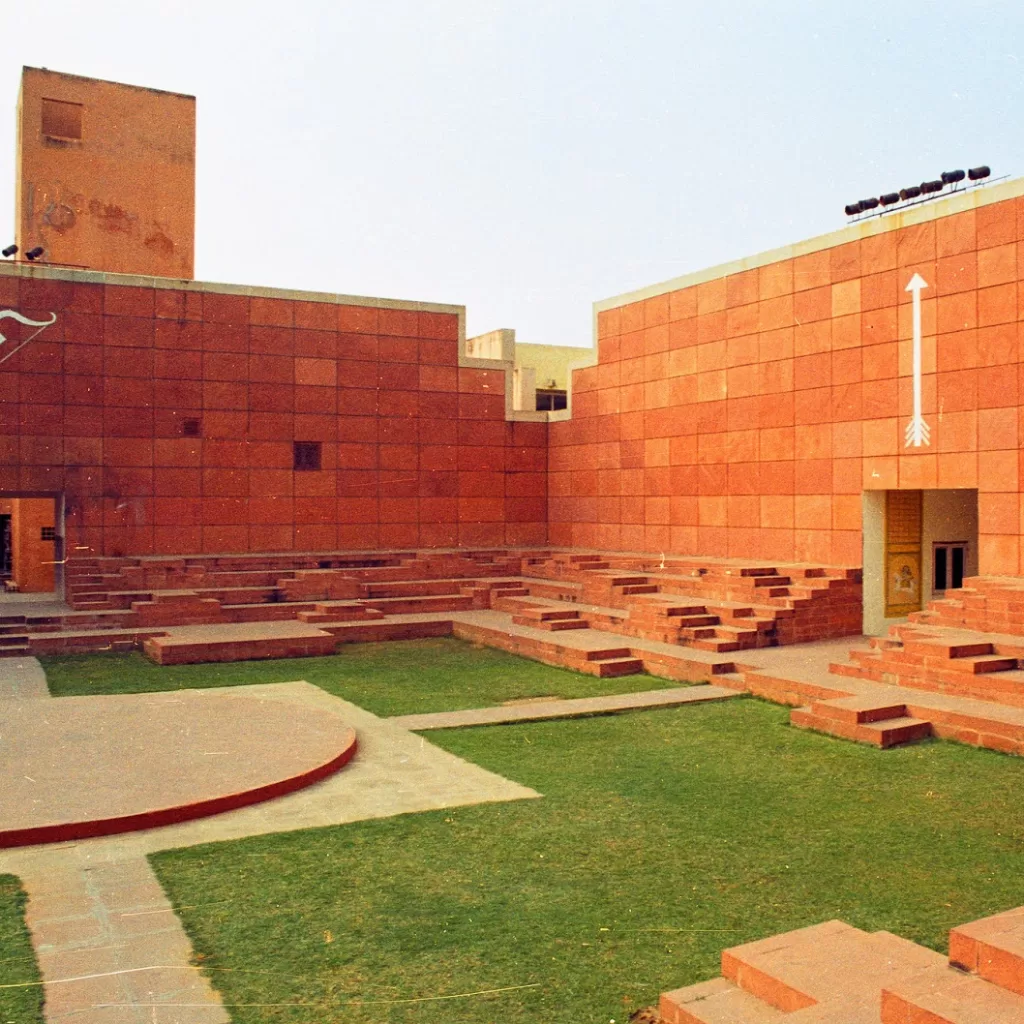
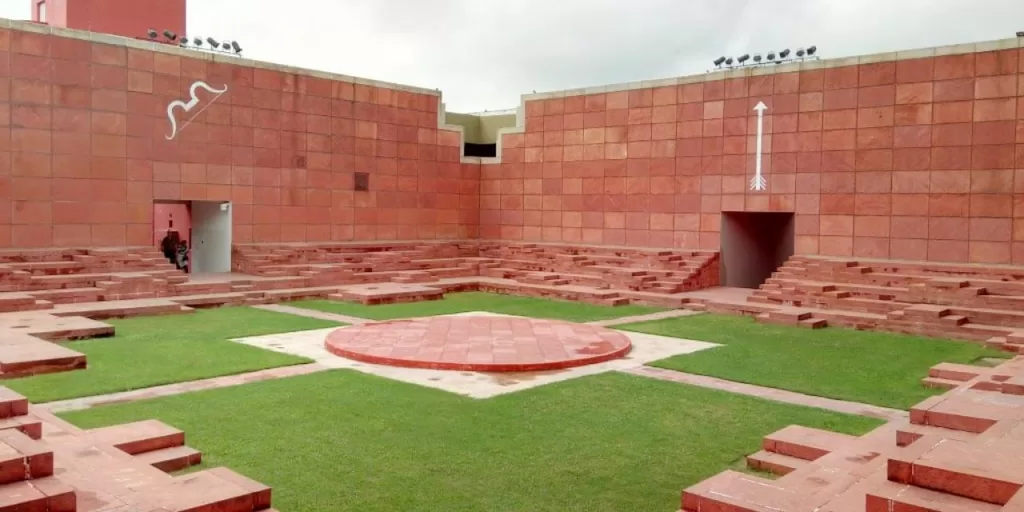
- This multi-arts centre, designed by Charles Correa, uses Vastu principles and consists of nine squares representing various cultural elements. It’s a hub for artistic expression and community engagement.
4. Indian Institute of Management, Ahmedabad

- A masterpiece by Louis Kahn, this institution showcases exposed brick and wide corridors, merging modern design with local tradition. It’s a beacon of education and innovation.
5. Matrimandir, Auroville
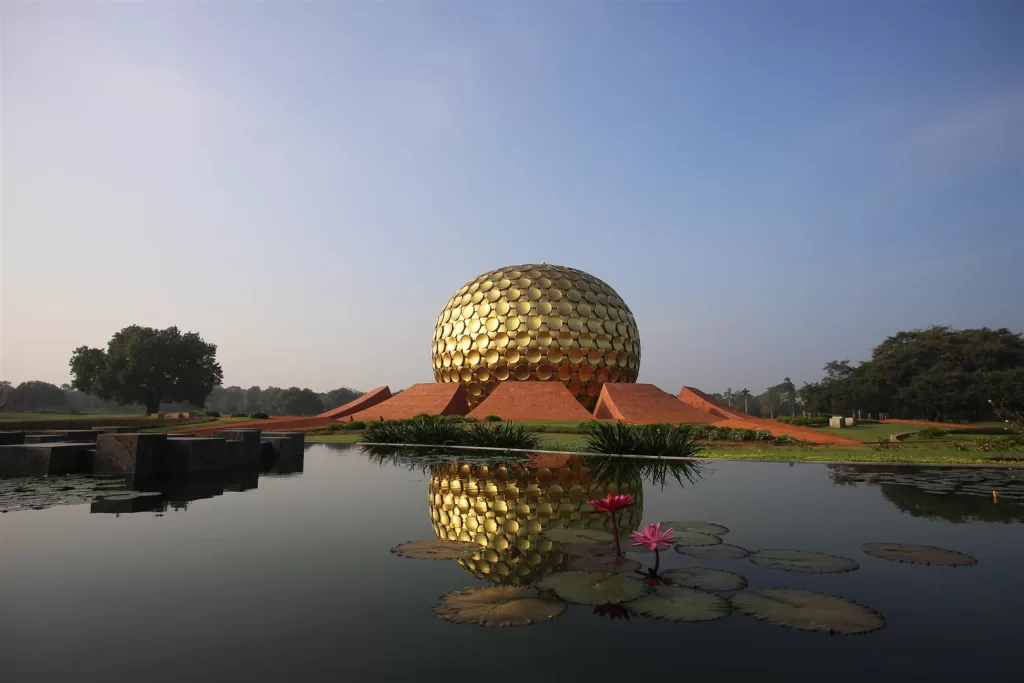
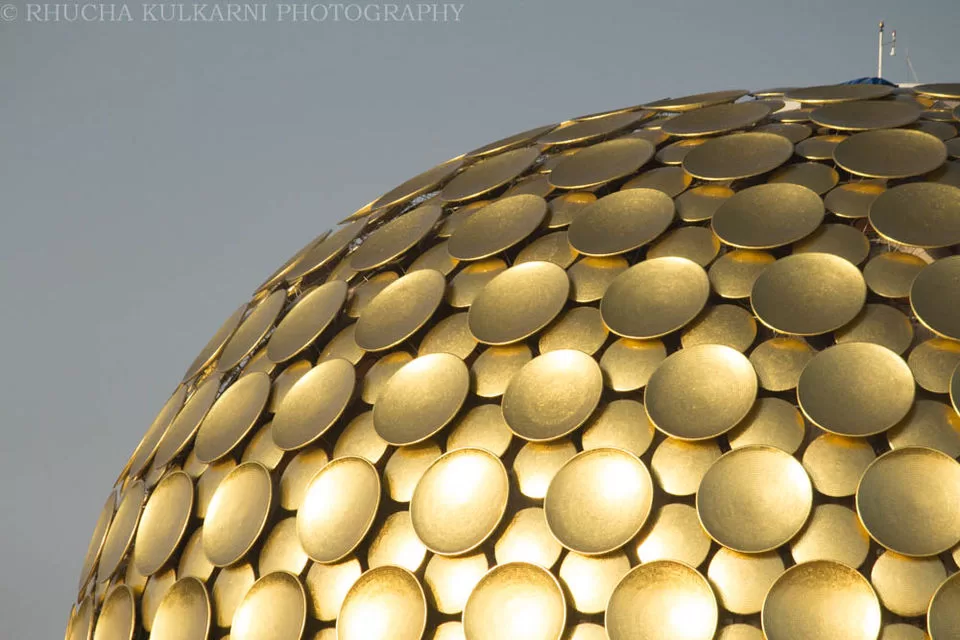
- A spiritual centre by Roger Anger, Matrimandir features a geodesic dome surrounded by twelve petals. It’s a unique space for meditation and reflection.
6. The Naga Tower, Gandhinagar

- A modern architectural marvel in Gujarat, the Naga Tower draws inspiration from the snake, symbolizing cultural heritage and technological advancement.
The Impact of Modern Architecture on Indian Society
Modern architecture in India has transformed the physical landscape and influenced social dynamics. These structures serve as gathering spaces, fostering community interaction and cultural exchange. They reflect a commitment to sustainability, innovation, and artistic expression, contributing to the nation’s ongoing journey toward modernization.
Conclusion
The journey of modern architecture in India is a testament to the country’s resilience and creativity. From the visionary designs of Le Corbusier to the culturally rich works of Charles Correa, these architectural marvels tell the story of a nation embracing its identity while looking toward the future. As India continues to evolve, its modern architectural landscape will undoubtedly inspire generations, merging tradition with innovation and functionality with beauty.


Comments